Replacing the wallcovering on an operable partition can completely transform a room. Worn, stained, torn, or outdated fabric can be replaced with a new finish that gives an existing wall years of additional service and a fresh appearance.
However, an operable wall recover is not the same as installing wallcovering on a permanent wall.
What We See in the Field
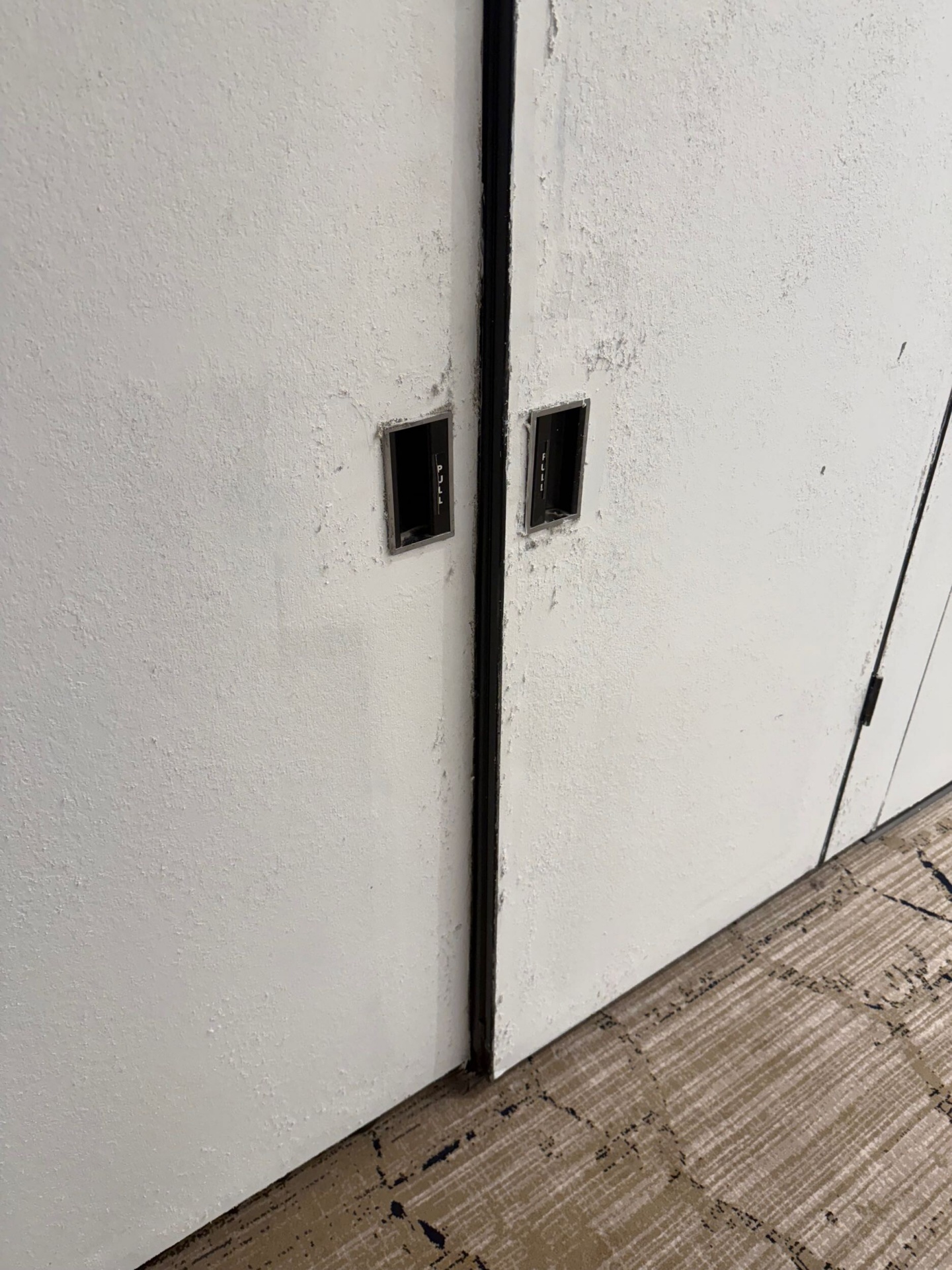
Continental Partition Systems technicians are often called to inspect and service operable walls that have been in place for decades. Along the way, we also encounter walls that have previously been recovered, refinished, or modified by others. Some look fine. Others show what can happen when an operable wall is treated like an ordinary fixed wall.
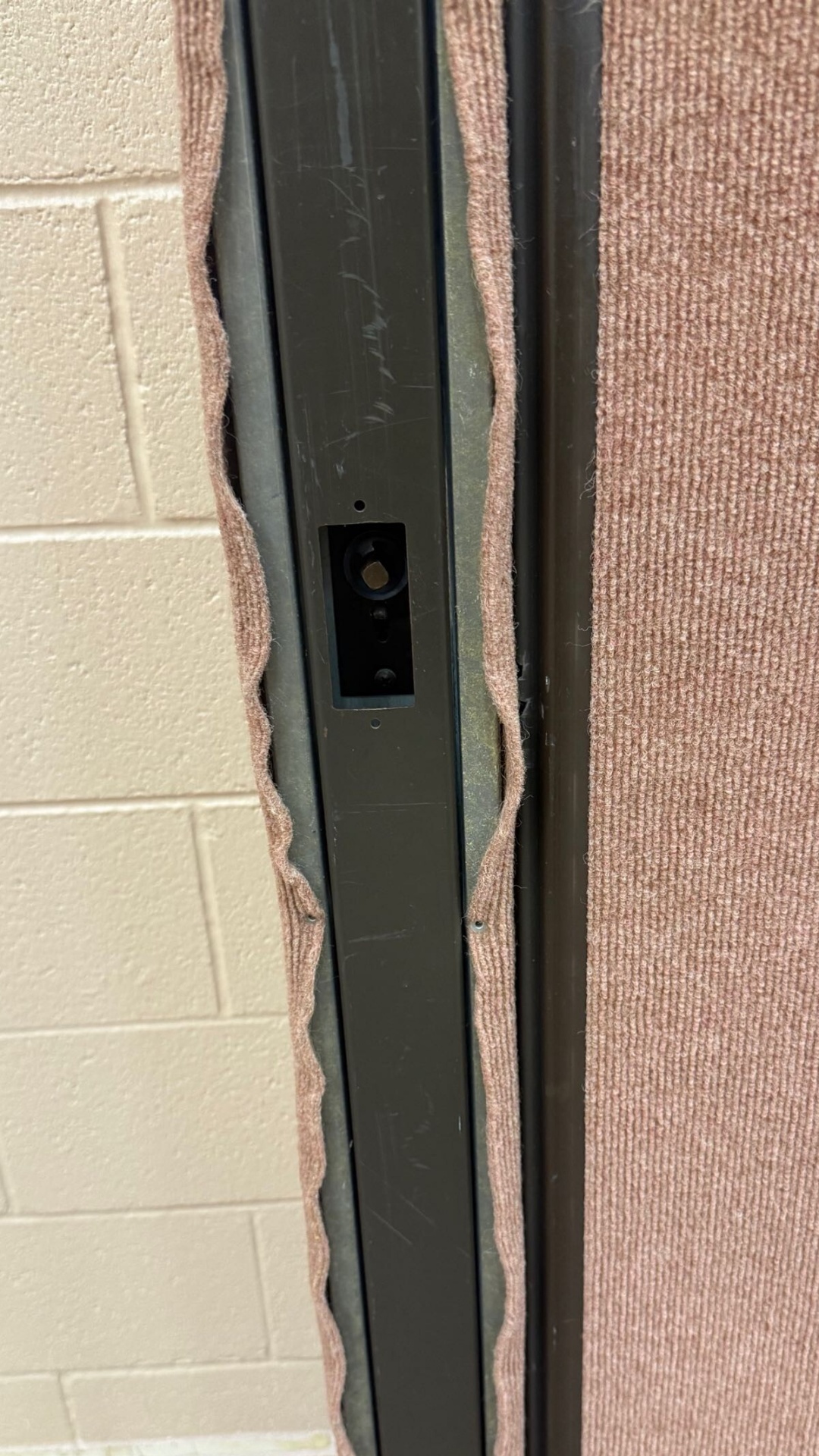
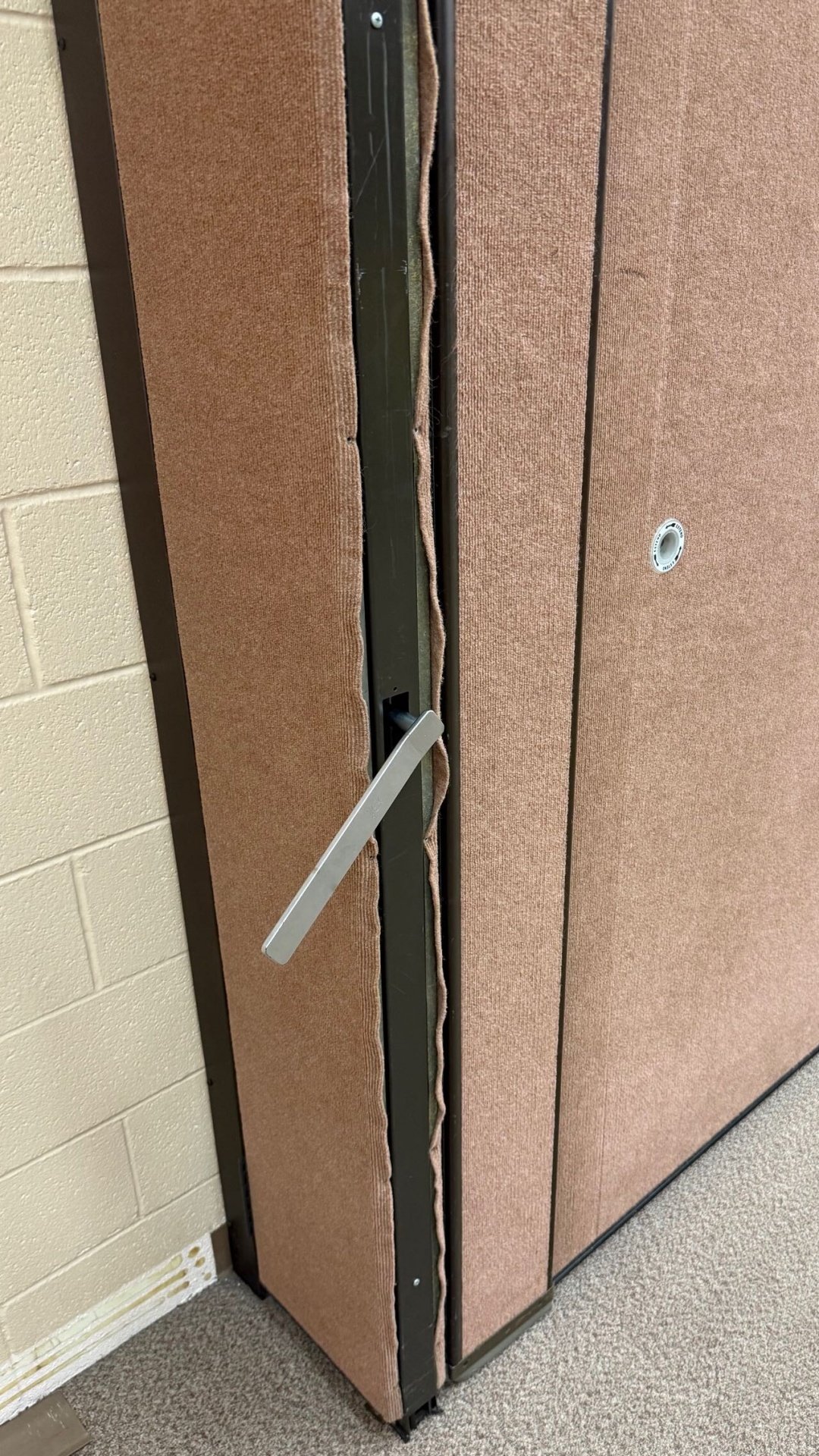
The examples shown here are actual conditions our technicians have encountered in the field.
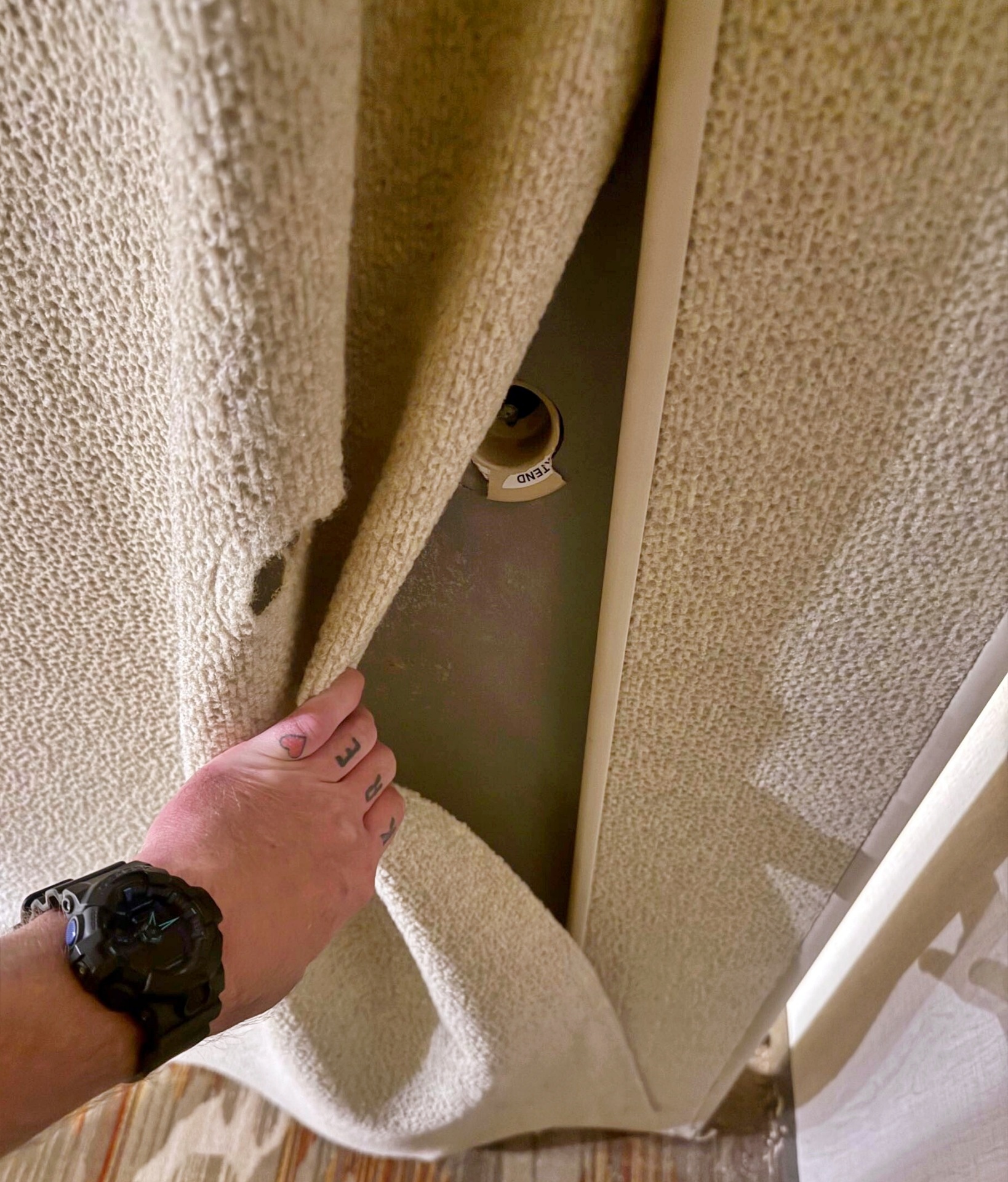
What's Under the Wallcovering Matters
An operable wall is a moving mechanical system. Each panel contains components and finishes that have to work together as the wall is moved, stacked, set, and taken down.
Before new wallcovering is installed, an experienced operable wall technician needs to understand what is underneath the existing finish.
Removing old material may uncover rust or deterioration on the panel faces. In other cases, the existing covering may have been installed with an adhesive strong enough to make removal difficult without damaging the panel face.
Those conditions need to be addressed before new material goes on—not simply covered back up.
The Right Adhesive Matters
More adhesive isn't necessarily better.
The adhesive has to be appropriate for both the new wallcovering and the operable wall panel. An incorrect product or application can make future removal extremely difficult and may damage the panel face when the wall eventually needs to be recovered again.
A recover should improve the wall today without unnecessarily creating a problem for the person who has to service it years from now.
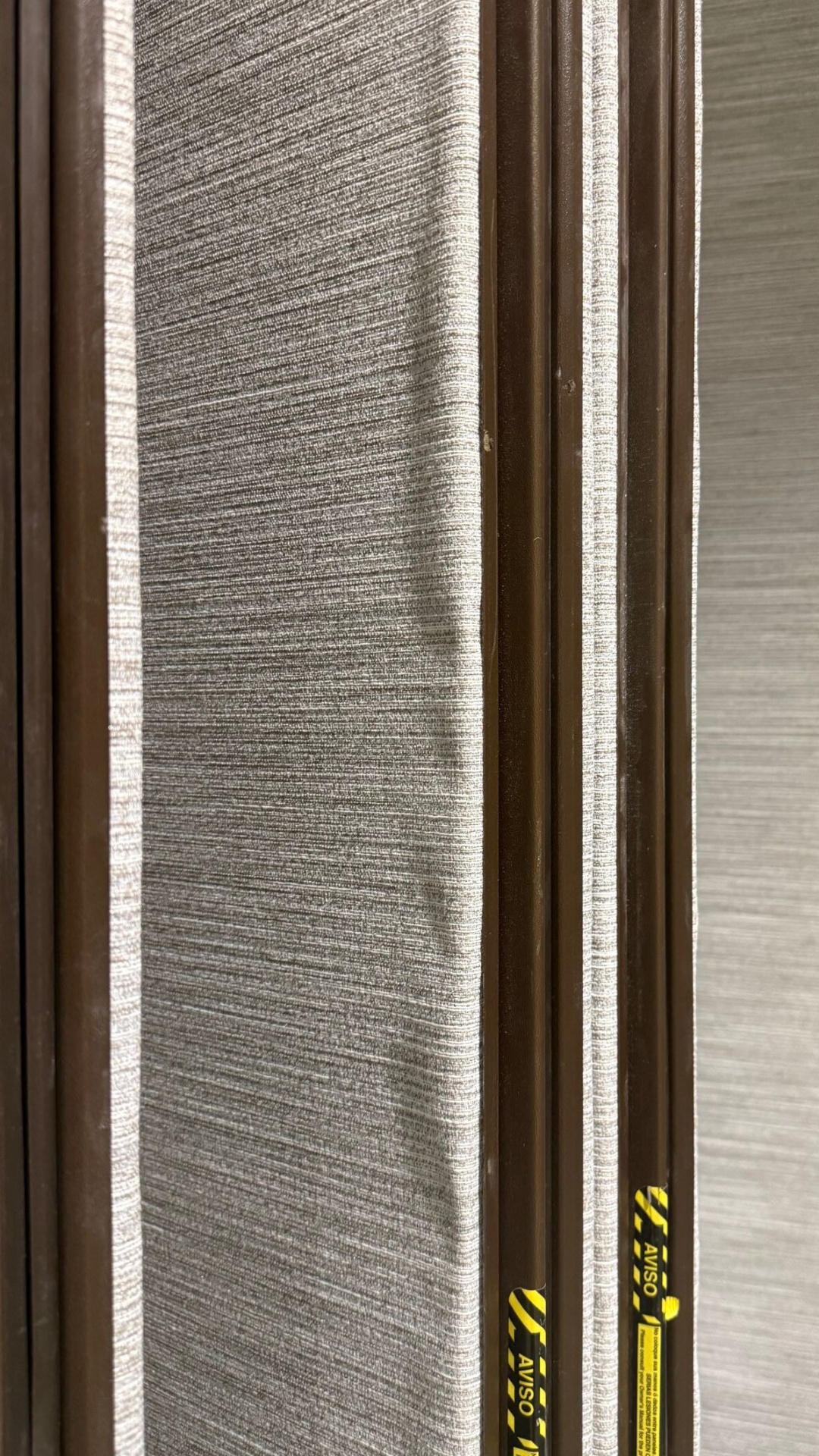
The Wallcovering Itself Matters
Fabric, vinyl, and carpet-style finishes don't all behave the same way, and changing the thickness of the original wallcovering can create unexpected problems.
Operable wall panels are designed with specific clearances between panel faces, trim, vertical edges, seals, pass doors, and other components. Adding material where it doesn't belong—or using a finish significantly different from the original—can interfere with those relationships.
That's one of the biggest differences between recovering an operable wall and simply applying a finish to a stationary surface.
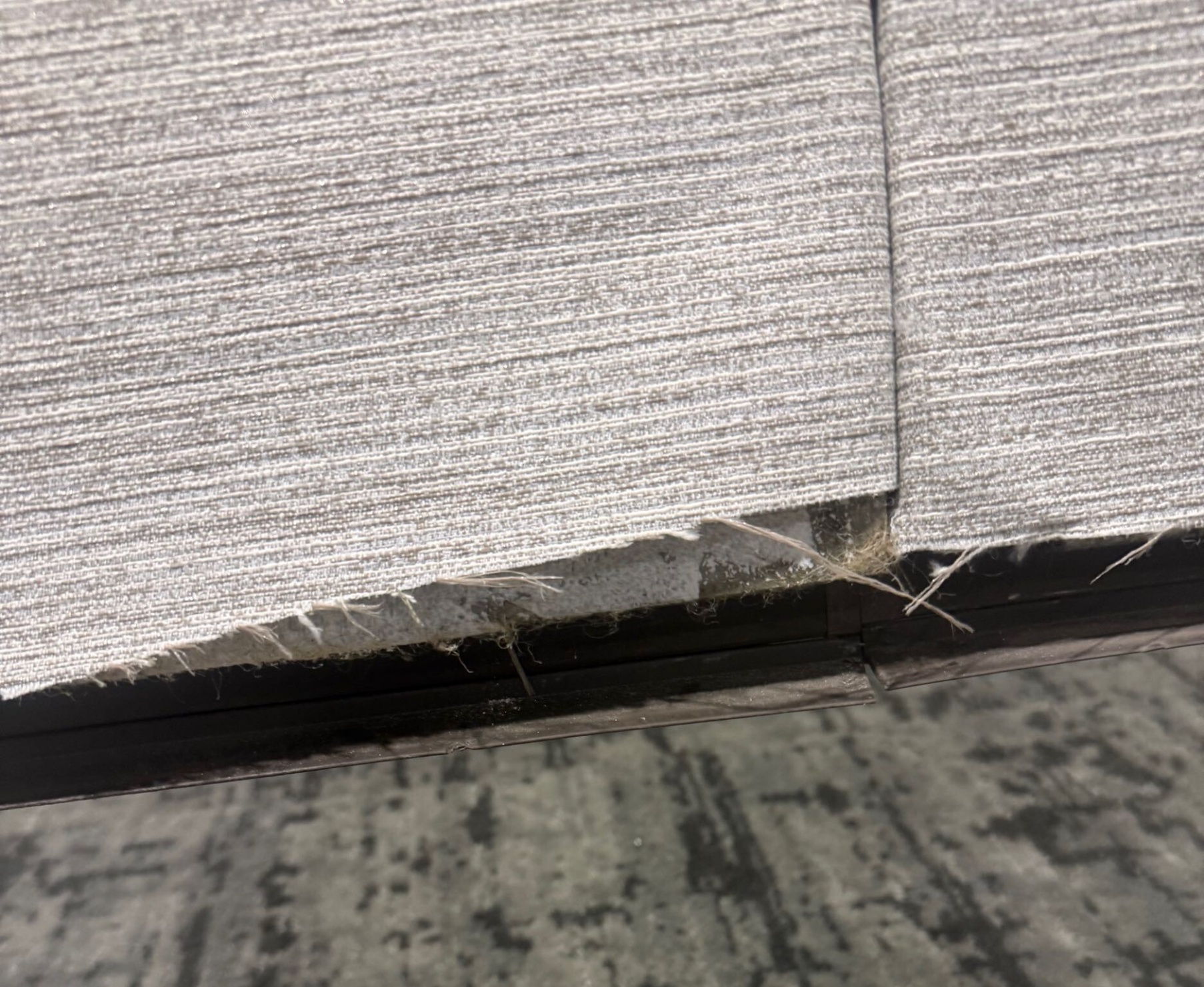
The Details Matter
A quality recover requires more than cutting material to the size of the panel and gluing it in place.
Depending on the wall, technicians may need to remove and reinstall vertical panel edges, trim, hardware, and components around pass doors. The wallcovering needs to be properly finished around those components and at the top, bottom, and sides of each panel.
When those details aren't handled correctly, the result may be visible immediately: uneven edges, gaps, loose material, exposed panel faces, or fabric that begins pulling away.
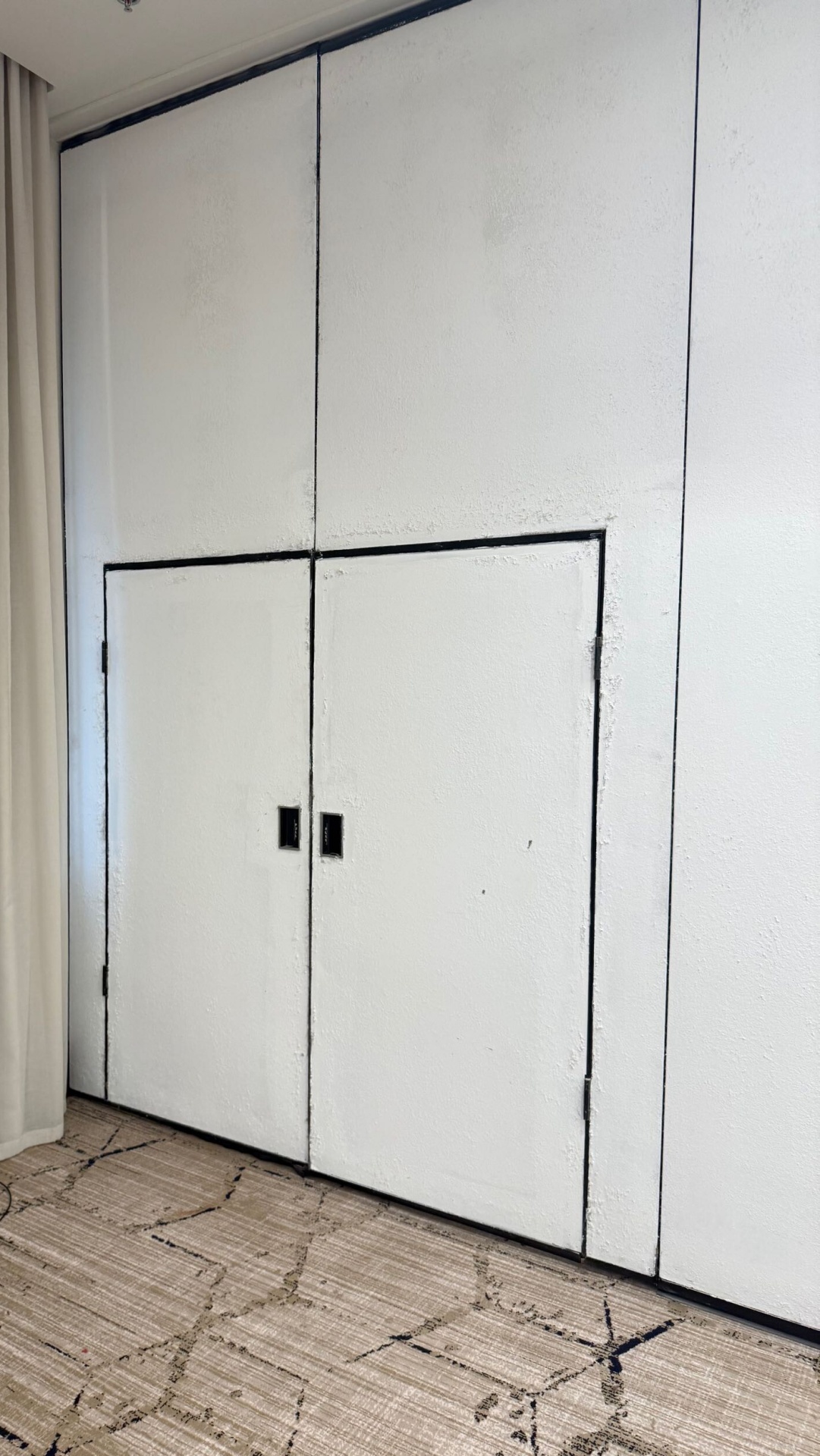
Sometimes the attempted solution is even more damaging. Painting an operable wall, for example, may cover the existing finish, but it doesn't make the wallcovering new. It can leave an uneven appearance and make future removal and proper recovering significantly more complicated.
Inspect Before You Recover
Before beginning a recover, Continental Partition Systems strongly recommends completing a WALLS™ Inspection as close to the start of the project as possible.
A new wallcovering can dramatically improve the appearance of an operable wall, but it doesn't correct mechanical issues that may already exist. An inspection gives our technicians an opportunity to evaluate the wall's operation and identify needed repairs before the recover begins.
When issues are identified ahead of time, we can often plan to address them while our technicians are already onsite for the recover. This helps avoid finishing a beautiful new wallcovering only to discover that the wall still needs mechanical repairs—or needs to be taken out of service again for additional work.
Learn more about the CPS WALLS™ Inspection Program →
A Cosmetic Project Can Become an Operational Problem
The appearance of the finished wall matters, particularly in ballrooms, hotels, conference centers, schools, churches, and other spaces where the operable wall is a highly visible part of the room.
But appearance isn't the only consideration.
If an improper recover interferes with the operation of the wall or damages components, the facility may eventually have to take the wall out of service for corrective work. For a ballroom, meeting space, or other revenue-producing room, that downtime can have a cost well beyond the repair itself.
And if a poor recover has to be removed and performed again, the customer has effectively paid twice for the same project.
Protect the Investment You Already Have
Operable partitions are significant building assets. When the mechanical system is still serviceable, recovering can be an excellent alternative to replacing the entire wall.
That's why the goal shouldn't simply be to make an old wall look better.
The goal should be to restore its appearance while protecting the wall underneath it.
Continental Partition Systems technicians work with operable walls as complete systems. Before and during a recover, we consider the panel faces, existing wallcovering and adhesive, trim and vertical edges, hardware, panel clearances, and the overall condition of the wall.
A properly completed recover can give an aging operable wall a dramatically different appearance without sacrificing the function or value of the system.
Considering recovering an existing operable wall? Continental Partition Systems can evaluate the condition of your wall, discuss wallcovering options, and help determine the right approach before work begins.